Notes from Freud’s The Interpretation of Dreams
The Scientific Literature Dealing With the Problems of Dreams
There is a psychological technique which makes it possible to interpret dreams
Revelations from gods and daemons
Foretell the future
Attitude towards divination in general
Two works of Aristotle which deal with dreams
Daemonic, since nature is daemonic and not divine
The mental activity of the sleeper in so far as he is asleep
Insomnia
Nightmare or ephialtes
Or to determine the future
1) divine prophecies
2) previsions of some future event
3) symbolic dreams
Artimidorus – greatest authority in later years of antiquity
(see footnote pg.38)
what is left of a dream in memory? an impression of something alien, arising from another world and contrasting the remaining contents of the mind
Schelling
No secure foundation has been laid
Topics rather than authors
The Relation of Dreams to Waking Life
Even if they did not themselves come from another world, had at all events carried him off into another world
Fichte 1864
“ A man who dreams is removed from the world of waking consciousness and of its normal behavior is as good as completely lost “
…the mind is cut off in dreams, almost without memory, from the ordinary contents and affairs of waking life.”
Haffner: In the first place dreams carry on waking life. ”Our dreams regularly attach themselves to the ideas that have been in our consciousness shortly before. Accurate observation will almost always find a thread which connects a dream with the experience of the previous day.”
Cicero: ”Then especially do the remnants of our waking thoughts and deeds move and stir within the soul”
Hildebrant ….they derive the material from reality and from the intellectual life that revolves around that reality…….from what we have already experienced either externally or internally
The Material of Dreams – Memory in Dreams
beyond the reach of our waking memory
…procession of lizards… p.45
asplenium
so well worth recording
“Mussidian’
…..the dream’s superior knowledge
learnt later
hypermnesic
……a dream to give evidence of knowledge and memories which the waking subject is unaware of possessing
…….it is a matter of chance whether one discovers the source of particular elements of a dream
sandstone figures
childhood experience
forgotten events from our earliest years
memories of childhood and youth
intimate connection between the content of dreams and waking life
……thus asserting the right of each of us to psychological individualism in this respect
components
Havelock Ellis
Mostly the trifling, the incidental, the forgotten impressions of daily life which reappear in our dreams
mnemonic impressions
Miss Whiton Calkins (1893.315)
Hildebrandt t (1875, [12 f.])
Remotest corners of the chambers of one’s memory
From the oblivion
inauspicious beginning
“nothing which we have once mentally possessed can be entirely lost’
Dreams yield no more than fragments of reproductions, and this is so general a rule that theoretical conclusions may be based on its”
The Stimuli and Source of Dreams
“popular saying” dreams come from indigestion”
reaction to that disturbance
The ancients, who believed that dreams were inspired by gods, had no need to look around for their stimulus: dreams emanated from the will of divine or daemonic powers and their content arose from the knowledge or purpose of those powers
Somatic stimuli and mental excitation
1) external (objective) sensory excitations
2) internal (subjective) sensory excitations
3) internal (organic) somatic stimuli; and
purely psychical sources of stimulation
1. External Sensory Stimuli
Strumpel [1883-4]
“even in sleep the soul is in constant contact with the extra corporeal world”
sensory stimulation
Maury 1878
The world of senses
Famous dream p.60
Guillotine
shrill sound of alarm clock
arbitrary decision of the mind
‘Gulliver’s Travels’

–the giants of Brobdingnag and the virtuous Houyhnhnms
2. Internal (Subjective) Sensory Excitation
from their nature
excitations of the retina
birds or butterflies or fishes or colored beads or flowers etc.
3. Internal Organic Somatic Stimuli
internal organs
premonition of illness
diagnostic power of dreams
Schopenhauer 1851
decisive influence on a number of writers
a) muscular
b) respiratory c) gastric d) sexual and e) peripheral sensations
sensation
images
transubstantiation
familiar dreams
of falling. teeth falling out flying or of embarrassment of being naked (sleeper has “thrown off his bedclothes) p.71
typical dreams and their origin
Simon (1888)
4. Psychical Sources of Stimulation
most ancient and most modern students of dreams were united in believing that men dream of what they do during the daytime and of what interests them while they are awake
somatic stimuli
psychical instigators
enigma
Philosophy of Nature
discover an organic basis for the mental event
Why Dreams Are Forgotten After Waking
Persistence of memory
25 years
37 years
tendency of human mind to see everything connectedly
The Distinguishing Characteristics of Dreams
[I had a dream; literally ‘a dream came to me’]
G. T. Fechner, “Element der Psychology” (1888)

He suspects rather that the scene of action is different from that of waking ideational life
mental apparatus
Schleiermacher (1862)
waking state thought activity occurs in”concepts” not in “images”
dreams then think predominantly in images
Dreams construct a situation
-we appear not to think but to experience, that is to say, we attach complete belief to the hallucination
Burdach (1838) p.83
Sleep signifies an end of the authority of self
detachment from external world
absence of interest in them (stimuli)
ideational importance
man with the night- light wakes to find it’s extinguished
falling asleep loss of our power of guidance to the sequence of our ideas
Lemoine (1855) the “incoherence of dream images is one of the essential characteristics of dreams”
“dreams are devoid of all objective and reasonable coherence.’ -Hegel
“There is no imaginable thing too absurd. too involved or too abnormal for us to dream about.’ – Cicero p.88
consciousness not self-consciousness
illusions
ideas (or images)
Ellis –”an archaic world of vast emotions and imperfect thoughts”
Maury “In sleep…..
Madmen and philosophers
dwarves and giants
demons and angels….. p.93
executioners and their victims
Hildebrandt
Fichte- “elevation of mental life to a higher level”
gateway to metaphysics….. lies not in waking life, but in dreams.”
Du Prel (mystic)
The Moral Sense in Dreams
conscience
dreams are……especially unbridled in sexual matters’
Haffner (1884, 251)
“I wouldn’t dream of such a thing”
Plato thought that the best men are those who only dream what other men do in their waking life (Republic Book IV)
-never lose sight of distinction between good and evil, write and wrong, and virtue and vice
language of truth
-a wish or desire or impulse
not invented by the dream merely copied or spun out
immoral elements
Kant
-Inquisition p.182
Anthropology
differently
“The nature of our dreams gives a far more truthful reflection of our whole disposition than we are able to learn from self-observation in waking life.”
Fichte (1864, 539)
“involuntary ideas”
just as physicians admit that dreams can bring unobserved physical illnesses to our conscious notice
attribution of dreams to warning process
Thus in dreams a man stands self – revealed
Maury ft. pg.105
mental impulse
fear is real
-affects
Theories of Dreaming and its Function
theory of dreams
function of dreams
according to which the whole of psychical activity continues in dreams. The mind, they assume, does not sleep and its apparatus remains intact; but since it falls under the conditions of the state of sleep, which differ from those of waking life, its normal function necessarily produces different results during sleep.
partial waking
somatic
the germs of life of which Mephistopheles complained
“the ten fingers of a man who knows nothing of music wandering over the keys of a piano” [Strumpet]
partial waking
Robert (1886)
‘a somatic process of excretion of which we become aware in our mental reaction to it’
‘dreams are excretions of thoughts that have been stifled at birth’
dreams serve as safety valve for the overburdened brain. They possess the power to heal and relieve
expulsion
have as their function the task of protecting that apparatus from excessive tension – or to change the metaphor – of acting as scavengers of the mind.
Delage (1891, 41)
If they were deeply in love, they almost never dreamt of each other before marriage or during the honeymoon, and if they had erotic dreams they were unfaithful in them with some indifferent or repellent person.
fragments and residues of the preceding day and of earlier times
because the impressions have not been dealt with p. 113
not limited by the power of individuality
sort of holiday
joyful play
dreams are the product of p. 114
precious recreation, as friendly companions on our pilgrimage to the grave
reviving and healing function
Purkinje (1846, 456)
“The mind has no wish to prolong the tensions of waking life; it seeks to relax them and to recover from them”
-the healing action of time
Scherner (1861)
productive powers
a preference for what is
immoderate, exaggerated, and monstrous
being freed from hindrances of the categories of thought, it gains in pliancy, agility, and versatility
organic, somatic stimuli
its imaginative purpose
a house
house symbolism
dream imagination
Scherner’s theory
-vaguely perceived and lacks the attributes of universality which should characterize a theory of dreams
The Relation Between Dream and Mental Diseases
aetiology
equivalents of epileptic fits
nocturnal insanity
alongside the psychology of dreams physicians will someday have to turn their attention to the psychopathology of dreams
“The madman is a waking dreamer”
Krauss (1859)
declares insanity is a realm dreamt while the senses are awake
Schopenhauer calls dreams a brief madness and madness a long dream
Hagen describes delirium as a dream life induced not by sleep but by illness
Wundt writes “We ourselves in fact can experience dreams almost all the phenomena to be found in the insane asylum.’
exaggeration
illusions
perverse conduct
“ideas in dreams and in psychosis have in common the characteristics of being fulfillments of wishes.’ Greisinger 1861 –
“The chief feature of dreams and of insanity lies in their eccentric trains of thought and their weakness of judgment”
Insanity an abnormal pathological phenomena is to be regarded as the intensification of the periodically recurrent phenomena of dreaming “
Radestock
we are endeavoring to throw some light on the mystery of dreams
Chpt.2 The Method of Interpreting Dreams
The analysis of a specific dream
the aim which I have set before myself is to show that dreams are capable of being interpreted
“symbolic”
Pharaoh’s dream propounded by Joseph in the Bible
“the idea of dreams being chiefly concerned with the future and how to foretell it
possession of peculiar gifts
decoding method
Artemidorius of Daldis
identical with magic
New method not concerned within what occurs to the interpreter….. but with what occurs to the dreamer”
There can be no question that the invention of the decoder method of interpretation was suggested by disconnected and confused dreams
Alexander dreamt he saw a satyr dancing on his shield
…dreams are so closely related to linguistic expression that Firenzi has remarked that every tongue has its own dream language
elements in patients mental life from which it originated
tempted to follow path marked out by Breur
treating dream itself as a symptom
an increase in the attention he pays to his own psychical perceptions and the elimination of the criticism by which he normally sifts thoughts that occur to him
-renouncing of all the criticism of the thoughts he perceives
tense looks and wrinkled forehead
crucial
‘involuntary’ ideas
‘In this way involuntary ideas are transformed into voluntary ones
On the other hand where there is a creative mind Reason…..relaxes its watch upon the gates
-you complain of your untruthfulness because you reject too soon and discriminate too severely
self-analysis
hysterical
wishing
the dream fulfills certain wishes
thus its content was the fulfillment of a wish
and its motive was a wish
revenged
wish fulfillment
professional conscientiousness
we perceive that a dream is the fulfillment of a wish
Chpt 3 A Dream is the Fulfillment of a Wish
psychical phenomena of a complete validity – fulfillments of wishes
dreaming has taken the place of action as it often does elsewhere in life
a love of comfort and convenience is not really compatible with consideration for other people
‘What’ asks the proverb do geese dream of? And it replies, ’of maize’.
The whole theory that dreams are wish –fulfillments is contained in these two phrases
Chpt 4 Distortion in Dreams
scientific and scientific enjoyment
How can distress dreams and anxiety dreams be wish-fulfillment?
a distorted sleep
a writer must beware of censorship
Faust “After all, the best of what you know may not be told to boys.”
defensive and not of a creative kind
cheerful disposition
typical dreams
counter-wish dreams upon my left index finger
his elder brother
a dream is a (disguised) fulfillment of a (suppressed or repressed) wish
I argued that neurotic anxiety is derived from the sexual life and corresponds to libido which has been diverted from its purpose and has found no employment
Chpt 5 The Material Source of Dreams
latent
manifest
previous day
dream day
cocaine p. 203
possible for a portion of the one to serve as an allusion to the other one
primary nature
it is under a necessity to combine them into a unity
-a recollection
-a train of thought
a) a recent and psychically significant experience which is represented in the dream directly
b) several recent and significant experiences which are combined into a single unity by the dream
c) one or more recent and significant experiences which are represented in the content of a dream by a mention of the contemporary but indifferent experience
d) an internal significant experience (e.g. a memory or a train of thought) which is it in that case invariably represented the dream by a mention of a recent but indifferent impression
-sleep on it
Dreams are never concerned with trivialities we do not allow our sleep to be disturbed by trifles
Infantile Material as Source of Dreams
a third peculiarity which dates back to earliest childhood…….
recurrent types
fallen woman
“thou owest nature a death”
Thou’lt find each day a greater rapture bringing”
Faust
Freud in German “joy”
rose of Jericho
here in Vienna white carnations had become an emblem for anti-Semitism
Zola’s “Germinal”
“Gargantua and Pantagruel”
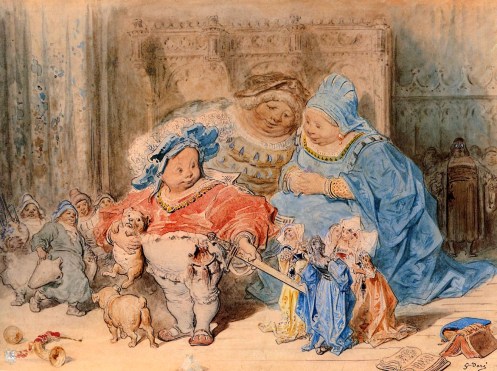
episode of the dream
desire to micturate was only called up by the dream – thoughts
train of thought
dreams come from indigestion
objective/subjective
internal
it would appear……..
dreams due to nervous stimulation and dreams due to association
sensory stimuli
-outcome of physiological stimuli
sleep is not incapacity to interpret sensory stimuli but a lack of interest in them
I’m asleep
Scherner discovers the principle symbolic
thus he provides a kind of dream book
symbolism
‘I wanted not to have one.’ (a boil on perineum)
‘Dreams are the ‘Guardians of Sleep’ and not its disturbers’
in order to rob it of reality
thus the wish to sleep
fulfillment
suppression
piece of onyx
Typical Dreams
restricted
one wishes to hide one’s nakedness
‘The Emperor’s New Clothes’
exhibitionists
a lot of strangers ‘always stand as the
wishful contrary of ‘secrecy’”
-children are completely egoistic
egoism
Croons devoured his children
always be away
never come back
“In my experience…the chief part in the mental life of all children who later become psychoneurotics is played by their parents”
“Being in love with one parent and hating the other are among the essential constituents…..in determining the symptoms of later neurosis’
a magnified scale of feelings
what I have in mind is the legend of King Oedipus and the Sophocles drama which bears his name
Sphinx
ancient guilt
Oedipus Rex is what is known as a tragedy of destiny
some innocent man
‘it is the fate of all of us, perhaps, to direct our first sexual impulse towards our mother and our first murderous wish towards our father’ p296
“…Fix on Oedipus your eyes,
Who resolved the dark enigma, noblest champion and most wise
Like a star his envied fortune mounted beaming far and wide:
Now he sinks in sea of anguish, whelmed beneath a raging tide…”
– ‘Today, just as then many men dream of having sexual relations with their mothers, and speak of the fact with indignation and astonishment’p.297
Hamlet represents the type of man whose power of direct action is paralyzed by an excessive development of his intellect
he himself is literally no better than the sinner he is about to punish
manifest
latent
dream –thoughts
Dr. Konigstein the eye surgeon who had had a share in the introduction of cocaine
George Eliot’s “Adam Bede”
Maupassant
neologisms
Ibsen’s “A Doll’s House”

and “The Wild Duck”
Zola
l’oeuvre
a transference and displacement of psychical intensities
“Dream – displacement and dream condensation are the two governing factors to whose activity we may in essence ascribe the form assumed by dreams”
they must escape the censorship imposed by resistance
painting p. 347
logical connection by simultaneity in time
causal relations
a series of dreams
either – or
identification
persons
composition – things
the censorship
“It is my experience …that every dream deals with the dreamer himself”
Dreams are “completely egotistical”
forbidden by censorship
Fleiss
reversal or turning a thing into its opposite
death –wish
formal characteristics
real sensations
psychical value
condensation
clarity is contrasted with vagueness
also with confusion
“The form of a dream or the form in which it is dreamt is used with quite surprising frequency for representing its concealed subject-matter”
not being able to do anything
occurs as a sensation not simply as a situation
conflict of will
“after all this is only a dream”
capable of being represented
pictorial language
phobias
a) whether it is to be taken in a positive or a negative sense (as an antithetical relation)
b) whether it is to be interpreted historically (as a recollection)
c) whether it is to be interpreted symbolically
d) whether its interpretation is to depend on its wording
…..are not made in the intention of being understood
ancient hieroglyphics
visual representation
“Song of Solomon”
sexual symbolism can find its best hiding place behind what is commonplace and inconspicuous
Stekel 1911
symbolism
admitting an over-interpretation
“Introductory Lectures on Psycho-Analysis”
I should like to utter an express warning against over-estimating the importance of symbols in dream-interpretation
“The two techniques of dream interpretation must be complimentary to each other”
auxiliary method
struggle
Havelock Ellis
French “viol” (rape) violate
center piece of flowers
Ferenczi
functional phenomena
obstacles
dream
reality
”Moses seized the rod in the face of God’s command and the Lord punished him……that he must die without entering the promised Land”
dream-distortion
two-classes
“those which really always have the same meaning, and those which in spite of the same or similar content, must nevertheless be interpreted in the greatest variety of ways”
…..feeling of anxiety is attached precisely to the expression of consolation
‘with a dental stimulus’
masturbatory desires
game of movement
phenomena of erection
connection winged phallus of the ancients
“Dreams of falling……are more often characterized by anxiety
-majority of the dreams of adults deal with sexual material and give expression to erotic wishes”
phantasies of inter-uterine life
birth dreams
entry of child into water
births of Adonis, Osiris, Moses, and Bacchus
Rank (1912)
connection between gold and feces
of linguistic evolution
journey by motor-car
totemism
numbers and calculations that occur in dreams p.449
regarded superstitiously as being especially significant in regard to the future
his ambivalence
‘I willingly confess to a feeling that dream interpretation is far from having revealed all the secrets of dreams of this character’ p. 467
absurdity
in the cradle of lies
enigma
unconscious trains of thought
contradiction
latent content
Wagner Operas
absurd dream about dead father
man of straw
the great Maynert, in whose footsteps I had trodden with such deep veneration
& whose behavior towards me, after a short period of favour, turned to undisguised hostility
intoxicated with chloroform
male hysteria
Goethe’s essay “On Nature”

general paralyses
youthful follies
personal relations would not be affected by the event
Nature! Nature!
overworking
unfortunate young man mutilated his own genitals
Herzl, “The New Ghetto”
‘by the waters of Babylon we sat down and wept’
salt-unsalted
geseres-ungeseres
leavened – unleavened
other side
Geseres
short-sided and one sided
Myops and Cyclops
Dreams then are often most profound when they seem most crazy p.480
Hamlet “I am but mad north-northwest: when the wind is southerly, I know a hawk from a handsaw”
the necessity of representing any criticism ridicule or derision which may be present in
in the dream-thoughts
‘Everything that appears in dreams as the ostensible activity of the function of judgment is to be regarded not as an intellectual achievement of the dream-work but as belonging to the material of the dream- thoughts and having been lifted from them into the manifest content of the dream as a readymade structure’
lilies of the valley
it was not clear who the father really was
liaison
satisfaction
Cromwell
high satisfaction
great and unsullied
Did you get married soon after that? p.486
patients
drawing of a conclusion
perfectly valid refutation of an absurd suggestion on the model of dream –thoughts
parallel
the drawing of conclusions
those conclusions which I was afraid
would be contested was employed by the dream-work for drawing conclusions which it was impossible to contest
Strangely enough it related to dissection of the lower part of my own body my pelvis and legs p. 489
Red Indians or Gypsies
slippery ground
an open window
two wooden boards
Windowsill, so as to bridge the chasm which had to be crossed over from the window…..
grown up men living on wooden benches
at that point I saw that her mouth
self-discipline
Rider Haggards “She”
another compartment
I reflected “I might have changed carriages while I was in a sleeping state
Smith, ‘Wealth of Nations’
Matter and Motion
I must have left the carriage
“A Cain phantasy –‘all men are brothers’
might have left his house while he was in an unconscious state p.495
Affects in Dreams
Strucker (1879)
affect in dreams
fear is real
social lion
“A Midsummer’s Night’s Dream”
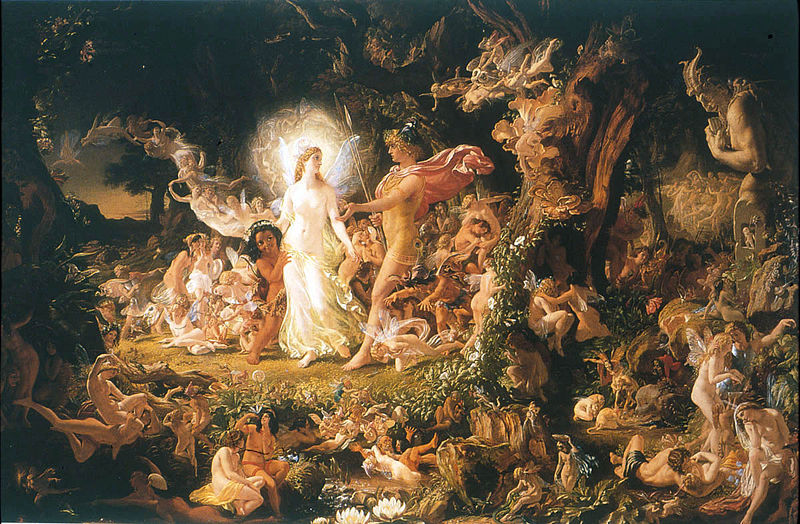
complex
Adriatic ( to Meamare, Duino, Venice and Aquileia)
breaking fast
innovation
different feeling tone
“Why did I feel no disgust during this dream?
Gargantua too Rabelais Superman
wish fulfillment
train of thought
turn them into their opposite
affect
creates
Death as the “Great Unknown”
hypocritical
like a ghost
hocus pocus
eternal Homer, Gigantic Dante, the incomparable Shakespeare, glorious Goethe
tailoring days
wish-fulfillment
parvenu
Grimm’s “The Little Tailor” or “Seven at a Blow”
discretion
‘If one of us dies I shall move to Paris
mod
Secondary Revision
Helene in Offenbach’s comic opera
habitual
purpose
wit shrouds and patches
phantasy
Daudet “Le Nabab”
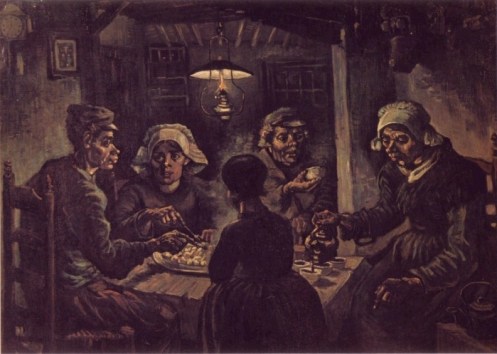
Hysterical symptoms are not attach to actual memories, but to phantasies erected on the basis of memories
….based to a great extent on impression and infantile experiences like dreams
the benefit by a certain degree of relaxation of censorship (daytime phantasies)
The Baroque palace of Rome
One of the qualms, a fear that marriage might cost him his freedom, was embodied in the transformation of a scene of arrest
Reign of Terror
Gerondists
the heroic Danton
Figaro
Don Giovanni
may have reproduced a piece of phantasy – activity, which had already been completed
ready-made phantasies
-tendency towards condensation, the necessity for evading the censorship, and consideration of responsibility by two psychical means open to dreams
Havelock Ellis (1911, 10-11)
Waking Consciousness
Foucault (1906)
secondary revision
the fatigue itself
‘Two separate functions may be distinguished in mental activity during the construction of a dream
completely different
chpt vii
The Psychology of the Dream – Processes
‘Father don’t you see I’m burning’
light – elucidation and fuller understanding
‘there is a possibility of explaining dreams as a psychical process
a) the forgetting of dreams ….we have no guarantee that we know they actually occurred
b) –untrustworthiness of our memories
c) add embellishments and trimmings
d) any kind of order of coherence
e) only when we recall it to mind
not until we both found ourselves in the mud did we promptly understand each other
Hagen was served by the embroidered mark on Siegfried’s cloak
Psycho – analysis is justly suspicious
One of its rules is that whatever interrupts the progress of analytic work is a resistance
……the forgetting of dreams is to a great extent a product of resistance
forgetting of dream on the ground that forgetting is a special case of amnesia attaching to dissociated mental states, that it is impossible to extend my explanation of this special amnesia
….the majority of dreams require no over-interpretation
The question whether it is possible to interpret every dream must be answered in the negative
go some distance
what the meaning is
‘the state of sleep makes the formation of dreams possible because it reduces the power of the endopsychic censorship
chain of thoughts
unconscious
superficial manner
– by assonance, verbal ambiguity, temporal coincidence without connection in meaning or by any association of the kind that we allow in jokes or in a play upon words
resistance of the censorship
the pressure of the censorship has resulted in a displacement from a normal and serious association to a superficial and apparently absurd one
‘the censorship of the resistance’
Regression
“Dreams are psychical acts of as much significance as any others; their motive forces is in every instance a wish seeking fulfillment ;the fact of their not being recognizable as wishes and their many peculiarities and absurdities are due to the influence of the psychical censorship to which they have been subjected during the process of their formation: apart from the necessity of evading this censorship, other factors which have contributed to their formation are a necessity for the condensation of their psychical material as regard for the possibility of its being represented in sensory images and though not invariably- a demand that the structure of the dream shall have a rational and intelligible exterior”
place of dreams in the nexus of mental life has to be assigned
…. process of dreaming; a thought and as a rule a thought of something that is wished, is objectified in the dream, is represented as a scene or as it seems to us, is experienced.
the thought is transformed into visual images and speech
the scene of action of dreams is different from that of waking ideational life
agencies systems
compounded (Y) systems have a sense of direction. All our psychical activity starts from stimuli (whether internal or external) and ends in innervations
sensory end (perceptual)
motor end
motor activity
psychical apparatus
psychical apparatus must be constructed like a reflex apparatus. Reflex processes remain the model of every psychical function
Mnemic element
in the (Y) systems memory and the quality that characterizes consciousness are mentally exclusive
‘attention’
progressive
regressive
“My explanation of hallucinations in hysteria and paranoia and of visions in mentally normal subjects is that they are in fact regressions- that is – thoughts transformed into images”
“Y” systems
a) topographical regression
b) temporal regression
c) formal regression
Nietzsche’s assertion that in dreams ‘some primeval relic of humanity is at work which we can now scarcely reach, any longer by a direct path, and we may expect that the analysis of dreams will lead us to a knowledge of man’s archaic heritage, of what is psychically innate in him
…. concerned with the reconstruction of the earliest and most obscure periods of the beginnings of the human race.
Aristotle’s accurate but bald definition, a dream is thinking that persists (in so far as we are asleep) in the state of sleep. Since, then, our daytime thinking
produces psychical acts of such various sorts – judgments, inferences, denials, expectations, intentions, and so on – why should it be obliged during the night to restrict itself to the production of wishes alone?
Are there not……..other kinds? Worries for instance
divide dreams into two groups
a) wish fulfillment’s
b) wish fulfillment unrecognizable and often disguised by every possible means
In the latter we have dream censorship at work
contribute
‘a conscious wish can only become a dream instigator if it succeeds in awakening an unconscious wish with the same tenor and in obtaining reinforcement from it
a wish which is represented in a dream must be an infantile one
on the one hand a fulfillment of a wish and on the other the fulfillment of fear
punishment – dreams
threshold – symbolism
play the part of an entrepreneur
‘dreams and telepathy’
capitalist
a wish from the unconscious
transference
internal change or expression of emotion
perceptual identity
linked with the satisfaction of a need
dreaming is a piece of infantile mental life that has been suspended
the watchman of our mental health
psychosis
hysterical symptoms develop only where the fulfillment’s of two opposing wishes, arising each from a different psychical system, are able to converge in a single expression
Highling Jackson: ‘Find out all about dreams and you will have found out all about insanity”
a wish to sleep’
The determined wish on the part of the preconscious to sleep exercise a generally facilitating effect on the function of dreams
throughout our whole sleeping state we know just as certainly that we are dreaming as we know that we are sleeping
the wish to sleep had given way to another precarious wish, namely to observe his dreams and enjoy them
it is a familiar fact that anyone who takes an interest in dreams remembers a considerably greater number of them after waking
Ferenczi (1911)
Arousal By Dreams The Function of Dreams – Anxiety Dreams
led from the frontier of the censorship back again to perceptions
-these releases of pleasure and unpleasure automatically regulate the course of cathartic processes
perception
an arousing affect
‘A dream is an awakening that is a beginning’
It is like a firework, which takes hours to prepare but goes off in a moment
economy of energy
cathected with excitation which finds a motor discharge in an attack
attempts at sobering conflicts
thinking ahead
the possibility that if two people are not at one with each other the fulfillment of a wish of one of them may bring nothing but unpleasure to the other
Anxiety in dreams, I should like to insist, is an anxiety problem and not a dream problem
a man with a hatchet
categorical denial of two
subjective states
the perception by consciousness of the reconstructed dream content
obligatory substitutes for others which are valid and significant
functions
‘an archaic world of vast emotions and imperfect thoughts’
dream-imagination
neurotic symptoms
our theory of dreams
cathartic energy
the most complicated achievements of thought are possible without assistance of consciousness
attention
transfer
dreams into consciousness
intensification
en bloc
‘slip of the tongue’
use of jokes
two fundamentally different kinds of psychical process are concerned in the function of dreams
‘one produces rational dream thoughts of no less validity than normal thinking,
while the other treats these thoughts in a manner which is in the highest degree bewildering and irrational’
same irrational psychical process……dominate the production of hysterical symptoms
they have been transformed into the symptom by means of condensation and the foundation of compromise, by way of superficial associations and in disregard of contradictions, and also, it may be, along the path of regression
a normal train of thought is only submitted to abnormal psychical treatment of the sort we have been describing if an unconscious wish derived from infancy and in a state of repression has been transferred onto it
repression
the power of movement
the Ucs and the Pcs
mnemonic systems
the activity of the firs (Y) systems directed towards securing the free discharge of the quantities of excitation, while the second system ,by means of the cathexes emanating from it succeeds in inhibiting this discharge and transforming the cathexes into a quiescent one, no doubt with a simultaneous raising of its potential
the unpleasure principle (later renamed by Freud the pleasure principle)
“Beyond the Pleasure Principle”
motor manifestations
psychical repression
cathecting pleasurable memories
the second system can only cathect an idea if it is in position to inhibit the development of unpleasure that may proceed from it
primary process
secondary process
‘free’ or ‘mobile’
perceptual identity
thought identity
all thinking is no more than a circuitous path from the memory of a satisfaction (a memory which has been adopted as a purposive idea) to identical cathodes of the same memory which it is hoped to attain once more through an immediate stage of motor experience
intensities
a signal
two systems
both originate in childhood
primary processes
preconscious cathexes
it is precisely this transformation of affect which constitutes the essence of what we term ‘repression’
repressed
defensive struggle
dream wishes are primarily derived from the unconscious
a comic effect that is a surplus of energy which has to be discharged in laughter, if we allow these modes of thinking to force their way through into consciousness
the interpretation of dreams is the royal road to knowledge of the unconscious activities of the mind
The Unconsciousness and Consciousness – Reality
virtual
antithesis
 tomreading
Leave a comment