The World as Will and Representation Part II
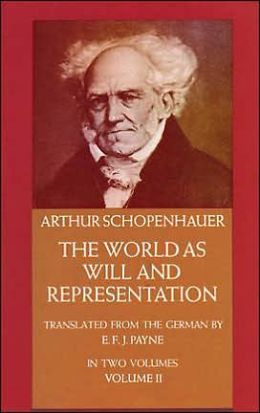
a supplement to the first book
“Why wilt thou withdraw from us all and from our way of thinking?”-
‘I do not write for your pleasure you shall learn something”.
Goethe
in endless space
phenomenon of the brain
subjective conditions
the world is my representation
ideality
cogito ergo sum
consciousness
moderns start
idealism
immediate
idealistic
objective
world
would exist even
if there existed no knowing being at all……..p5
brains
representation
the subject
…..not exist
knowledge
object
self-consciousness
an extended and acting thing
….for another being
knowing and the known
irreconcilable
simply and solely
for another being
object
Kant
object
representation
empirical reality
belief in reality of the external world
philosophizing about it
Jacobi
Schelling as an atheist
little door
‘Critique of Pure Reason’
empirical reality
materially
mode and manner
Berkelian idealism
independently
To demonstrate
Kantian teaching
such, even
absurd
another
deeper insight
realism
knowledge
thus leave behind
Now the subjective world of
objective, infinite space
to examine them first
absurd enough
objective
prior to all knowledge
subjectively
representation alone
controversy about
a bridge between
have no other knowledge
Now the question
to relation between
objective or subjective origin
objective
origin
common expression
being were
additions made by Schopenhauer
external world
experience
experience from
a prori
occurrence of a sensation
the functions of our brain
sensation, assumed
subjective origin
for they are
sense-perception
satisfactory for practical life
substratum
perception of things
Kantian philosophy
causes of the sensation
resemblance at all between the sensation as organic
Locke’s philosophy
Berkeley
whatever it’s origin
remain eternally
knowledge the world
our finding ourselves
materialistic
ultimately the reality
question
Among the moderns
Condillac
French materialists
truth
sham philosophy
Hegel
justification
Therefore against
relations appear to have evoked the
spiritualism
immaterial substance
This dualism
realism, materialism
representation of the intellect
idealism
The center of gravity
subject
subjective
certainly is
objective starting point
Democritus, Leucippus
immediate
fundamental forces of nature
demonstration at least objectively
matter
qualitates occultae
explanation of the world
metaphysic
representation
as such is also
“the world, the object’
concepts for its object
matter without form and quality is left
determinations of the subject
absolutely unknowable; the subject
knowing subject, merely as such
This matter not given
gives form and hence
every object
intellect and matter are correlatives
other’s reflex
Consequently
allow a representation
matter
thing in itself
must
understanding
suppose a matter
is sufficiently for them the difficulty experience
matter and intellect are inseparable
which is precisely
different from it’s mode
abstractions and introduce
The subject
Matter
The Subject
Matter
The Subject
……Both
‘On the Doctrine of Knowledge of Perception’
or ‘Knowledge of the Understanding’

Transcendental ideality
it is true that the object is not the thing-in-itself
empirical objects
objects to one another
thus really in the world
phenomenon
objective world
perception
qualities
carrying Locke’s method of primary qualities
Kant
brain – functions
brain
impressions
perception
cerebellum
Thomas Reid, ‘Inquiry into the Human Mind’

Reid refutes Locke’s
sensation of the senses
a priori
philosophical stuff which
German philosopher and the honesty of the English
constructed by them
I mention Cordecet
a merely sensualistic explanation
the things themselves
actually place before its object
generally
outside us
representation
Kant’s ‘transcendental aesthetic’
transition from the sensation
the concepts immediately
the transposition
vision or sight
Further if something feels smooth…p23
animal
in the case of seeing
understanding this
capacity of experiencer
rapidity and certainty
operation of the understanding
consequence
image in the eye
perception
Theoria Colorum
Sufficient Reason
sight of the beautiful
texture, and the stimulation
differently as. Say the first and last impressions from a much-used copper plate
Brain by means
A limb in that limb
Usually however
Finally a man
Nerves
On the Senses p.26
To repeat what others have said is not the purpose of my works
The senses are merely the brain’s outlet through which it receives material from outside
(in the form of sensation)
objective apprehension
sensation itself
effect
in themselves
material or purely objective
nerves which have to perceive the specific outward impression
sensation
mere perception
conjunctiva
account of this indifference
eye’s sensation
space and time
will-less perception
variety of the concepts
four elements
firm (earth) is touch
fluid(water) is taste
vaporous (vapor, exhalation) is smell
permanently elastic (air) is hearing
imponderable (fire. light) is sight heat – affects will directly
stimulates thorough versatile and well-informed sense (touch)
bound up with
the will
Perceptions through hearing are exclusively in time
The perceptions of sight on the other hand are primarily and predominantly in space
understanding
reason
sight is an active, hearing a passive sense
disturbance
thinking mind lives in eternal peace with the eye, and at eternal war with the ear. p. 28
(Gilbert’s ‘Annalen der Physik,’ Vol. X, p. 382)
action of the retina
theory
associate with
medulla oblongata
illumination flash of lightning
retina
For it disturbs the constant stream
‘On Vision and Colors’, Schopenhauer
the discovery
Kant. Goethe, and Jean- Paul were highly sensitive to every noise
active]
passive
faculty of reason
most remote past
‘On Knowledge’
a priori
space
Plato inferred
what is Time?
what is Space?
A right-angled equilateral triangle contains no logical contradictions….p.33
a mammal with more or less than seven cervical vertebrae, or the co-existence of horns and upper incisors in the same animal
a priori
synthetic
arithmetic
time
time
objective thing
time inner sense
will
character
fundamental tone
The a priori nature of the law of causality
empirical origin
act of will
outer perception
self-consciousness
causal relation
movement of our limbs by virtue of mere acts of will…
conscious of the incomprehensible
complete simultaneity of the act of will
…the knowledge of the causal relation has its ground in the nature and constitution of our cognitive faculty itself
knowledge springs from an innate intuitive and instinctive conviction
Kant
Latin
Brown’s explanation
Hume
prior to all experience
Kantian
‘On the Principle of Sufficient Reason’
objective
sensation
sensation always remains a mere datum for the understanding, and the understanding alone is capable of grasping it as effect of a cause different from it
also inherent in the intellect ……p. 37
objective external world
motives
causality
external world
Eva Lauk. entirely without arms or legs, attained…correct judgement of the size and distance of visible objects
based on fact
objective reality
Kant
the succession cannot
thus for example
succession. namely the pressure
states
empirical apprehension
time
a priori
empirically and
whole of time
links would
analogous to
difficult
divisible
determined and irreversible
immediately preceded it
Since Scholasticism
concepts, such as
perfection
gradually such unduly
display of words
the wrong use of
but philosophy
existence of God
as the source
question of things too widely comprehended
demonstration rests on…
to experience
Kant
well as the living
Kant wrong in neglecting
pure perception
Sufficient reason
terminus ad quem, not a quo
comprehended far too widely
The cause is nobler than its effects
Every change has its cause in another change immediately preceding it. p.42
changed
changes
existence
previous experience
infinite regressus
states or conditions
difference of things
materia existtentium
all eternity
forms
too wide a comprehension
cosmological proof
parricide
‘Critique of Pure Reason’
philosophy in Germany
honestly expressed cosmological proof through the assumption of the first cause
transcendent
with the world
therefore the law of causality
admits no exception
changes
objective way
too wide
force
Principle of sufficient reason
‘On the Only Possible Proof”
Perceptive
Aristotle
‘On the Freedom of The Will’
‘On the Will In Nature’
visibility of the will
effectiveness
essentia
existentia
empirically given
forms
Plotinus, “Enneads”
incorporeal
pure matter we think
accompanying table
causality
fundamental truths
Metaphysical Rudiments
parallelism of our knowledge
For matter
Physics he determines
non potest
Xenophanes
into such a world
brain alone
following table of praedicabilia
..of Matter
a priori
actual
Kant very rightly
continuum
Table p 48-49
continuum
Rhythm alone in time
Space has no movement
we measure duration
50-51
The simple element of phoronomy is the atom
the magnitude of the motion
mechanics
statics
magnitude of motion
Second Half
The Doctrine of the Abstract Representation,
or of Thinking
On the Intellect Devoid of Reason
perception
think
circumspection
abstacto
perceive
fantasy
suffer present
solely
immediate knowledge
trigonometry and analysis
with this
double
natura non facit saltus
tailor on whom an elephant wreaked his vengeance
for having been pricked by a needle
coroners inquest
the Spectator
On the Doctrine of Abstract Knowledge, or Knowledge of Reason
The outer impression
experience proper
concept
concept
the word
Vernunft
concept
experience
*”if you want to subject everything to yourself, then subject yourself to reason”
Seneca
concepts
reason
(the sign of concepts)
abstraction is
the more universal they are
knowledge alone
under
concept
universal concept
all abstraction consists p64
empty husks
Hegelians
Simple concepts
a priori
knowledge of perception
spirit
concepts
distinct
Identitas indiscernibilium*
*The principle of Leibniz according to which two things that are not discernible are identical’
time
time-series
fixing it
universalia
orangutans and elephants
The ancient languages
patois
Inquiry into the Sublime and Beautiful
concepts(abstract notions)
picture or image of it
his imagination
Reid’s Essays on the Powers of the Human Mind, Vol. ii. Essay 5, ch. 6
Pico de Mirandola
Spinoza
Germany
every expedient
animal
motives
thought or idea
error
animal can
imaginable
absurd
conceivable chimera
Real culture
understanding and power
innate
accustom them
accordingly to esteem
in Hindustan
New Zealand
Hence the crusades
Chiliasts
Jung- Stilling
killed
husband’s rheumatism
graminavora
frenzy
On the relation of knowledge of Perception to Abstract Knowledge
comparing perceptions
perfection
genius
actual
in concreto
empirical content
rational ideas
just rational
implicite
perception or intuition
always thought in the presence of perception
recollections
virtualliter
perception
objective
concepts always remain universal
genius
subjective
Chinese picture
finished oil painting
propositio minor
intuitive knowledge
every step
insight
his
wisdom
alive
dead
correct view is dazzled
unnatural flow
constant influx
uninterrupted continuity
“For ever reading, never to be read”
Dunciad
Minerva
perception or intuition
insight
load themselves
perceptive or intuitive apprehension
manifold use
originate
“A smattering of many things does not form the mind”
ectypes
quintessence of all knowledge
forty-second year
twenties and early thirties
are for the intellect what May is for the trees; only at that time do the blossoms of which all later fruits are the development, begin to show
Locke’s philosophy
Critique of Pure Reason: a continuation of Locke’s philosophy
empirical consciousness
Concepts are naturally the material of philosophy
practical philosophy
ruminants are without front incisors”,…
sophistical
algebra
innabiis
undo
hitherto
knowledge forms
judgement
foundations
monstra per excessum
“Phenomena that are monstrous through excess” [Tr.]
emancipated
VIII
Anthropology
Kant’s and Jean-Paul’s theory
ludicrous
mental inertness
Cicero
touches the circle
the real
absurdity
anecdote of the Gascon
The band of Jewish swindlers
Lovely early broken lily
Schiller’s
Together on the path without suspicion
…bond the third
forbidden and immoral relation is subsumed
‘Don Quixote’
‘Baron Munchhausen’s Tales’
water-jet of his own urine
Garrick
incongruity
dog
namely fawning and tail-wagging
seriousness
intentionally ludicrous is the joke
seriousness
irony
seriousness concealed behind a joke
On Logic in General
Logic, dialectic, and rhetoric
technique of reason
Logic
laws of thought
thinkable
true
“to be”
“Some trees bear gall-nuts” p.105
Negroes are black
“All ruminants without horns have upper incisors”
X
Implicite
latent
half-conscious
suddenly dawned on us
“How easy anything is, he knows
Who has thought it out and arrived at it”
We can look upon thought process here described as like those padlocks which consist of rings and letters
represent
syllogistic figures
conclusion
apercu
knowledge exists
or two propositions
figure
as something necessary
Judging, that elementary and most important process of thinking
Of concepts although of three
Truth
more particular
judgements
Accordingly
judgements
judgements
the three figures
by which
identical
one premissprremiss is compared
Aristotle
Arabian authorities
predicate of the one and the subject of the other
first figure
second figure
one subject
predicate pertains
opposite quality
meris affirmtivis
“All fishes have cold blood;
No whale has cold blood;
Therefore no whale is a fish”
“Nothing that has cold blood is a whale;
All fishes have cold blood:
Therefore no fish is a whale,
And consequently no whale is a fish.’
No Mohammedan is a Jew
Some Turks are Jews
There are some Turks who are not Mohammedans.
Accordingly
seperableness
“Some animals can speak;
All animals are irrational:
Therefore some irrational beings can speak.
“No Buddhist believes in God;
Some buddhists are rational:
Therefore some rational beings do not believe in aGod
Compatibility
seperableness
Some rational beings are Buddhists
fourth figure
one concept
by what means
middle term
“anthracite”
XI
Let there premises come first. and the conclusion will follow
Julius Caesar concept is correct; a judgement is true; a body is real; a relation is evident
axiom
termini technici
study of humanity
human being again
human being again
….then we need not swindle with syllables
literary sansculottism
XIII
Euclidean
XIV
external
internal
association
spatial proximity
a propos
recollect something
mnemonic artifices
mnemonically
tabula rasa
Judgments sudden flashes of thought
Consciousness
only the crust
will
XV
one, that is
time three dimensions
successively
bound
fragmentary nature
of the course of our thoughts
distraction
in on it
another
one idea
confused and dull
deliberation
latent
afresh
Moreover the different kinds
theoretical
consciousness is like a magic lantern …. p138
different
in concreto
vice versa
half a consciousness
obscurity of our investigations
limitations
completeness
fragments
Obviously there must
transcendental synthetic unity of a perception
“Your wards are deftly wrought, but drive no bolts asunder”
I Think
“I”
substratum, it’s permanent
supporter
contrary
alone is unalterable
accompanying them
succession
whose rays converge
interest commands
spoken of
consciousness
form of time and of the single dimension of the series
forgetfulness
‘On the Principle of Sufficient Reason”
Accordingly
virtualiter
Actualiter
potentia
distinct thought
time and trouble
this consideration requires
more important than its quantity
intensive
whole of knowledge
quantity
concept
Idea
disturbance
Most common
Fear acts in a similar way
Finally, to all these imperfections of the intellect …. grows old
Nature
comprehend
higher degree
imperfect thing
unconsciousness
consciousness
imperfections
essential imperfections
simultaneously
anatomical and physiological
intellect
mental horizon
horizon of the consciousness
rapidity
greatest exertion
complete unity
rapidity may be
the genius
inadequate
Yet this nonsense is connected with
intelligences
degrees of clearnesss of understanding
distinctness of the whole thinking
quality of the thinking
quality of the whole thinking
Therefore
acceleration of his…
counterpart
physiognomy
whose understanding is keener
Goethe once said to me that, when he read a page of Kant, he felt as if he were entering a bright room
indistinctness
to satisfy
Idea of the good
bona fide
satisfaction in words
the thinking mind
intelligible
tackle it
Prinzessin
questions
extremely rare
six thousand years
greater ease
incomparably greater and richer sphere
who stands
multitude are mere populace
To feel me in the solitude of kings
Without the power that makes them bear a crown.
(The Prophecy of Dante, Canto I, l. 166)
differentiating
different concepts
development
identifies everyone
a great mind
two men
“There is a mystery in the minds of those men who have none”
rider
intellectual aristocracy of nature
thoughts and ideas
thinking before others
to it for its culture
delusion
know and understand
genuine culture
XVI
entreaties
frivolous fool bankrupt whole of life
Cynicism from which Stoicism afterwards followed
Happiness consists in the happy life, but the happy life consists in the virtuous life.
best way of conducting
the hope of attaining to a happy life in this way
“The immoral life is identical with the unhappy life”
Chrysippus
spirit of cynicism
perfect happiness as the highest goal
……….but the happy life consists in our living according to nature, and not according to the opinions of the crowd
Seneca
genuine cynics
…lupins, water a second-hand cloak, a knapsack, and a staff
..dog does
Arrian p. 157
eudaemonism
magnanimity and intrinsic merit
“What is God? The soul of the universe. What is God? All that you see, and all that you do not see. Only thus is his greatness acknowledged, and nothing can be conceived greater than this. If he alone is everything, then he embraces his work and permeates it.”
Seneca
XVIII
atheism
Temples and churches, pagodas and mosques
Consider the Koran for example; this wretched book was sufficient to start a world religion…..p.162
Much may be lost in translation, but I have not been able to discover in it one single idea of value
….the almost superhuman conceptions recorded in the Upanishads and the Vedas
metaphysics
children
dominant
tolerated
religions fill very well the place of metaphysics in general
imperative
antagonism
The rationalists
..hybrid of centaur, the so-called philosophy of religion
…Buddhism pre-eminence over the others
‘On the Will in Nature’
“Sinology”
fundamental difference
pantheistic, optimistic or pessimistic
……Christianity…..pessimism
whereas Judaism and paganism were optimistic
as such
wonder or astonishment
Accordingly, philosophical astonishment is at bottom one that is dismayed and distressed
‘Don Juan’
evil and wickedness
“Astonishment is a very philosophical emotion”
[Theaetetus, 155 D. Tr]
punctum pruriens [means to an end]
physics
vital force
with two essential imperfections as it were with two sore points, or like Achilles with the vulnerable heel, or the devil with the cloven foot). On account of these imperfections, everything so explained would still really remain unexplained.
beginning
in infinitum
qualities of things and natural force
relatively
the difference between physics and metaphysics
mere physics , which can only speak of phenomena
a soul
naturalism proper
natura naturata
(created nature)
into natura naturans(creative naturte)
schematized
the Christian mystics
the light of nature
in generation
labyrinth husk of nature
animal magnetism
source or fount of metaphysical knowledge
mere concepts
mathematics
the most certain and definite of all
a priori, yet intuitively known, relations of quantity
arithmetically
geometrically
apodictic
Begging of the question
a priori nature
category
outer inner metaphysics
interpreted explained
en extramundanum
optimism of Leibniz conflicts with the obvious misery of existence
charlatans
religion regards metaphysics as a weed growing by its side
obligations
to be true
For the rest, philosophy is essentially world-wisdom; its problem is the world. With this alone it has to do, and it leaves the gods in peace; but in return for this, it expects them to leave it in peace also.
XVIII
What is knowledge?
What is representation?
a picture or image disclosing the deep gulf between the ideal and the real
Descartes
absolute identity
rational thinking
primary knowledge
being and thinking
Hegelian pseudo-philosophy that has engrossed the attention of the German public for twenty-five years
“Matter is a lie and yet true”
subjective
objective
complicated
the very nature of knowledge
a subterranean passage
phenomena
willing
knowing
“the first false step.”
“Confusion of the earlier with the later, or of ground with consequent.”
soul
……….one can just as easily believe in a digestion without a stomach as in a knowing consciousness without a brain. My philosophy alone leads us out of this dilemma; in the first place it puts man’s real inner nature not in consciousness, but in the will.
…it is the will alone that is imperishable
…but serves the purpose of self-preservation by regulating its relations with the external world
…brain’s forms of knowledge, namely space, form, time and causality
figurative
root and corona
Prototype, copy ectype
so the greatest mental abilities are found only with a vehement and passionate will
a short neck
beetroot
animal consciousness
par excellence
tautological
animal wills , indeed even what it wills, namely existence, well being, life, and propagation
animal conceives , thinks, judges, or knows
…longing craving willing, aversion, shunning, and not-willing are peculiar to every consciousness; man has them in common with the polyp
a blockhead
….the will is the primary and substantial thing; the intellect, on the other hand, is something secondary and additional, in fact a mere tool in the service of the will
perception
the abstract representation, i.e., reason (Vernunft) is added , and with it reflection.
predominantly concerned and engrossed with representations and ideas genius
laboriously pondered and ruminated
monotonous approval or disapproval
memory
a whole romance with its magic scenes
“being master of oneself”
imagined
“Self-esteem is cleverer than the cleverest man of the world”
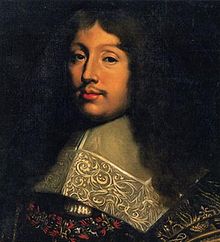
La Rochefoucald
“Know yourself” [Delphic]
the intellect grows tired; the will is untired
precipitancy or rashness
terror, fear, hope, joy, desire, envy, grief, zeal, anger, or courage
“With much composure”
In Mania sine delirio (“Madness without delirium”)
vis inertia (“Force of inertia)
…that Swift became mad, Kant childish, Sir Walter Scott, and also Wordsworth, Southey and many of less eminence, dull and incapable. Goethe to the end remained clear, and mentally vigorous and active because he was always a man of the world and a courtier, never persued in his mental occupations with self-compulsion.
….also Voltaire
But all this proves how very secondary and physical the intellect is, what a mere tool it is.
the will
is absolutely untiring
weakness and imperfection
On the Basis of Morality
the moon in the heavens does not prevent the sun from shining
equanimity, composure, and the presence of mind
disarmed
(Passion is declared the enemy of prudence)
animi perturbatio
organism
will
Varia Historiae
intellect
The German word “entrustet” also means “in anger”
intellect
the will, so to speak
Such as we know is false, yet dread in sooth,
Because the worst is ever nearest truth
(Byron, Lara, i.28)
to diminish our debit and increase our credit
Passion influences and infects the intellect in innumerable ways that are sometimes imperceptible
intellect stands to the will in the relation of a tool
vexation dat intellectum {vexation bestows intellect}
(Necessity is the mother of the arts)
Even the understanding of animals is considerably enhanced through necessity
if insects
wolf’s
fox
horse
memory p.221
knowledge as its own function
boy
animals have less understanding
plants
knowledge
a knower
cold
warm
hot
“among quartzes the diamond is outlawed”
History and experience
extraordinary rarity of both
“All the delights of the heart and every cheerful frame of mind depend on our having someone with whom we can compare ourselves and think highly of ourselves” {Gracian}
“To certain persons a man of mind is a more odious creature than the most pronounced rogue”{Gottingen}
In fact, even the highest intellectual eminence can co-exist with the greatest moral depravity
e.g. Bacon -allowed himself to be bribed in civil actions- – Impeached – condemned to a fine of forty thousand pounds and to imprisonment in the Tower
For this reason Pope calls him the wisest, brightest, meanest of mankind
…plead a paroxysm, a momentary mental derangement, and if it is a question of a grave crime, even madness, merely in order to exonerate the will from blame. p. 229
If a person is stupid we excuse him by saying that he cannot help it; but if we attempted to excuse in precisely the same way the person who is bad, we should be laughed at. And yet the one quality like the other is inborn.
This proves that the will is the man proper, the intellect a mere tool.
will
formal
A decidedly noble character , in spite of a complete lack of intellectual merits and culture, stands out as one that lacks nothing; on the other hand, the greatest mind, if tainted by strong moral defects, will nevertheless always seem blameworthy,
outshone and eclipsed by goodness of heart
For goodness of heart is a transcendent quality; it belongs to an order of things reaching beyond this life, and is incommensurable with any other perfection
goodness of heart
What are wit and genius in comparison with this? What is Bacon?
King Lear: “I am a man more sinn’d against than sinning”
the will , on the contrary , is that whose function is the whole man, according to his being and inner nature.
zenith
“Life is short, art is long”
the antagonism of the genital system
chimeras
the thirtieth year
played-out instrument
On the other hand, the will is not simultaneously affected by all this growth, development, change, and alteration, but from beginning too end is unalterably the same.
Hamlet
Goethe, how he threw all the kitchen utensils out of the window
phrenologist
in many respects the will shows itself even more decided in old age
heart and head
The heart, that primum mobile of animal life, has quite rightly been chosen as the symbol, indeed the synonym, of the will, the primary kernel of our phenomenon; it denotes this in contrast with the intellect which is exactly identical with the head
Gemut(disposition, feeling)
heart
his heart is in this business,; it comes from his heart; it cut him to the heart; it breaks his heart; his heart bleeds;
the heart leaps for joy;
who can read a man’s heart? It is heart-rending, he is good-hearted, faint hearted, and so on.
Don Juan
head
Hence a man of brains, a good head, a clever head, a fine head, a bad head, to lose one’s head, to keep one’s head and so on.
mens
Anima is life itself
animus is the life giving principle and at the same time the will, the subject of…….p.238
soul
ganglionic nerves
medulla oblongata
guard
Up in the watchtower of the head this guard looks round through the windows of the senses and watches the point from which mischief threatens and advantage is to be observed, and the will decides in accordance with its report.
On the other hand sleep is unwelcome, because it suddenly recalls the guard to its post.
systole
Montaigne
Descartes
Kant
In magnetic somnambulism consciousness is doubled
XX
Objectification of the Will in the Animal Organism
objectification
the consciousness of other things as distinct from self-consciousness
demonstrated
Voltaire, a snail
regulator of the will
organic body
causal chain
motives
resolve
determined by
peristaltic
“The heart is that which is the first to live and the last to die”
plastic
cerebral
Therefore the will creates for itself the nervous and the intestinal system..p.255
antennae of the will
the spinal chord, in the reflex movements discovered by Marshall Hall, such as sneezing, yawning, vomiting, the second part of swallowing, and so on.
for this it’s mere visibility
ganglia
reflex movements
theory of involuntary movements
Who makes the little chicken in the egg?
will-to-know
Principal faculty
will-to-walk, will-to-grasp, will-to-digest, will-to-procreate
it is not itself known, but is the knower
body”no comparison runs exactly on all fours”
“Healing power of nature”
Bichat’s
organic and animal life
will and intellect
“his blood boils with anger,”anger stirs up my bile, “my stomach leaps for joy,” “jealousy poisons my blood,” and so on
time, space, and causality
mother’s milk
willing and thinking differ from each other as white from black
“Take care , my friend; it burns”
XXI
Retrospect and More General Consideration
botching and bungling
assistance of the intellect, if we wish to comprehend the true essence of the will-in-itself, and thus, as far as possible, to penetrate
into nature’s inner being
antipode
Anaxagorus
the will-without-knowledge that is the foundation of the reality of things…..p269
so that with me thinking appears as the last thing of all
XXII
Objective View of the Intellect
subjective
Locke
Kant
objective method
zootomists
physiologists
advances of the nervous system by Sir Charles Bell. Megendie, Marshall Hall and others
the pulpy mass in the skull
Prajna Paramita
efflorescence
objective
perception
representation
aeternae veritates
a priori
perception
ego
medium of motives
world as representation
in the animal, nourishment and propagation
emotions
passions
calves
young lions
children in such a situation would cry and worry themselves almost to death p.280
camera obscura
Genius is conditioned by a passionate temperament, and a phlegmatic genius is inconceivable
turgescencs
southern, vivacious, and passionate races
one swallow does not make a summer
Goethe’s’ Tasso’
relative
destined by nature for farming and wood-cutting
Kant’s teaching brought to an end
sensation
phenomena
concatenation
hypostases
medium of motives
will
species transitive
‘Critique of Pure Reason’
natuaralism
palaeotherium
ichthyosaurus
dianiology
representation
conscience
a priori
objectivity
separations
loosening of the intellect from the will
XXIII
On the Objectification of the Will in Nature without Knowledge
metaphysics
prius
primary and original force itself
in that it carries out that body’s unconscious as well as conscious functions
Jul. Caes. Vanius
it underlies all the forces of inorganic nature, plays and acts in all their manifold phenomena, endows their laws with force, and, even in the crudest mass, manifests itself as gravity
a word
According to the view of the scholastics, the will is a blind power.”
force of nature
nourishing
fundamental principles
mankind was once more deprived for almost two thousand years of an already discovered truth of the highest importance
he is ashamed of them
form alone
skin
vessels in
Goethe’s ‘Elective Affinities’
Mechanics and Astronomy
will
Hydraulics shows us…
chemistry
elective
anatomy and physiology
drama, epic romance and so on
Shakespeare stands at the head
self-preservation of every being
more courageous
“Every being in nature endeavors to preserve itself”
perihelion
aphelion
capacity
copper
ideality
time
forces of nature
For example, if by some external cause a planet is put into a rotary motion, this will go on forever if no new cause comes along to stop it
fixed ideas of French savants
matter-of-fact notion
French
…of the shallowness, lack of culture and of knowledge brought about by Hegel
pulverization
perceptible
substratum
gravity
in all matter without exception thus
(Stoff)
Wherever putrefaction occurs, mould, fungi, and in liquids, infusoria appear.
objectifying the will’s volition in each
coagulate out of the chemical constituents
regards matter as the origin of things
self-consciousness
absolute
vital force
qualitates occultae of matter
“Begging of the question”
“A first false step” (in the premiss of a syllogism)
solid
fluids
varying velocity
“The Jew Apella may believe it!” [Horace, Satires, I, v,100,Tr.]
data
to start
objective
materialism
very beginning of the history of philosophy
Leucippus and Democritus
renewed from time to time
XXV
Transcendent Considerations of the Will as Thing-in-Itself
have
the will
unknown x
necessitated
necessity
existence and essence of things
freedom
now one and now the other must appear
esse
operari
phenomenon, the visibility, the objectivity of the will-to-live which is one
lotus
‘On the Will in Nature’
teleology
will manifesting itself in it
the spleen
spiral-formed teeth of the babirussa, the horn-shaped excrescences of a few caterpillars..
saurians
dolphins and some cetacea related to them are entirely without olfactory nerves
exceptio firmat regulam
without an opening
homology
“The exception confirms the rule”
Richard Owen
skull of the bird in the egg has precisely as many bones as has that of the human foetus, and so on.
unite de plan
by which
on account of which
Unity of plan {Aristotle}
There are two kinds of cause, the final cause and the necessary efficient
cause, and in what we have to say we must take both into consideration as much as possible
the human eye
functions, the final cause
efficient cause
“Nature makes no leaps, and in all her operations follows the most convenient path”
[Aristotle]
The louse of the Negro is black; final cause: its own safety. Efficient cause: because its nourishment is the Negro’s black ret Malphighi
the unusually excited state of the nervous system which appears in the last period of consumption
homo homini lupus
countenance
efficient
external
in contrarium
One of the strongest is presented to us by the fact that sea-water is undrinkable, in consequence of which man is nowhere more exposed to the danger of dying of thirst than in the very midst of the largest mass of water of his planet. Let us ask our Englishmen: “For what purpose need the sea be salt?”
(the glow-worm)
the cetacea is so modified that it has become an injection-organ; and placed in the suckling’s mouth. it squirts the milk into it without the young having to suck.
the basest obscurantism
teleology
…benefit of mankind
“For the true bears evidence of itself and of the false.” Spinoza
Aristotle
physico-theology
“we see nature does nothing in vain”
“Nature does nothing in vain, but always that which is the best of what is possible for each animal species.” [Aristotle]
XXVII
On Instinct and Mechanical Tendency
bird’s nest. the spider’s web, the ant-lions pitfall, the very ingenious beehive, the marvellous termite structure
organizing nature
migratory
subordinate
quite specially determined
instinct
one-sided and strictly determined character
motivation
ganglionic system
fatidical dreams
will-without knowledge
animal organism, the vita propria of each part is subordinated to the life of the whole
When the drones have become useless, they are stung to death. Two queens in the hive are surrounded, and must fight with each other until one of them loses its life
exactly like the parts of an organism
will the end as a whole without knowing it, justly as organic nature works according to final causes
healing power of nature
the most ingenious matter
teething
will
subordinate role of knowledge
On the Will in Nature
“Comparative Anatomy’
XXVIII
Characterization of the Will-to-Live
anima
pantheists
But let us merely look at it; this world of constantly needy creatures who continue for a time merely by devouring one another, pass their existence in anxiety and want, and often endure terrible afflictions. until they fall at last into the arms of death
“Nature is not divine, but demon-like” [Aristotle]
troubled and tormented by the devil
will-to-live
everything presses and pushes towards existence
will-to-live
one
of maintaining all species
bastards
our own inner being
will
toto genre
infinite variety of their forms
observe how a single burying beetle (Necrophorus vespillo) buries a mole forty times its own size in two days, in order to lay its eggs in its, and to ensure nourishment for the future offspring
the mole
a true animal nocturnum
momentary gratification, fleeting pleasurre conditioned by wants, much and long suffering, constant struggle, bellum omnium, everything a hunter and everything hunted, pressure, want, need, and anxiety, shrieking, and howling; and this goes on in saecula saeculorum
pessimism
How frightfull is the nature to which we belong
en perfectissimum; that is to say, there can be nothing better, nor can anything be conceived
task, a drudgery
as a whole and universally
perseveres “The game is not worth the candle” the love of life
puppets
hypochondria, spleen, melancholy; as an inclination to suicide
want and boredom are the whips that keep the top spinning. Therefore the whole and each individual bear the stamp of a forced condition
Augustine , “The City of God”

start
“Not naturally, but violently”
The intellect
relations
it is scientific knowledge, the latter being artistic knowledge
species
strong excitation of the brain’s perceptive activity, without any excitation of inclinations or emotions what is required is a peaceful night’s sleep, a cold bath, and everything that furnishes brain activity with an unforced ascendancy by a calming down of the blood circulation and of the passionate nature
state of pure objectivity of perception them
and hardly at all ourselves
For we apprehend the world purely objectively, only when we no longer know that we belong to it; and all things appear
conscious merely of them, and the less we are conscious of ourselves
pure objectivity of perception becomes one that makes us feel positively happy
For the will, as the principle of subjectivity, is everywhere the opposite, indeed the antagonist, of act of will proper
noluntas than of the voluntas
desire or aversion
concepts
the denial of the will
vitiated by the will
work of art
only in the picture
or in the poem stands outside all possibility of any relation to our will; for already in itself it exists merely for knowledge
work of art
picturesque poetical
enchantingly
traveler
enjoyment
punctum saliens
conditioned by a complete silencing of the will which leaves the person as pure subject of knowing
twofold existence
What in life does us annoy
We in picture do enjoy
concatenation
inclination or disinclination
they alone exhibit what is purely objective
the stage
Objectivity alone qualifies one for becoming an artist
disinterestedness
The stares not coveted by us
Delight us with their splendor
[Goethe]
sublime
the moon
the sun
stained glass window
pure knowledge
XXXI
On Genius
without a purpose
two-thirds intellect and one part will
Deformities through excess, through defect, and through wrong position
knowledge of perception, and the painter and the sculpture
imagination
the universal in them, the totality
manumission
In tristitia hilaris, in hilaritate tristis
Cheerful in sadness, sad in cheerfulness
reflective
reflectiveness
consciousness is therefore entirely immanent
What is all this?
How is it really constituted?
ever wider separation between the will and the intellect which is observable in the whole range of beings. This reaches its highest degree precisely in genius ,where it attains to the complete detachment of the intellect from its root, the will, so that here the intellect becomes wholly free, whereby the world as representation first of all attains to complete objectification
My poetic fire was very low
So long as I encountered good;
Whereas it was all aflame,
When I fled from imminent evil
The delicate verse like a rainbow
Is drawn only on a dark gropuind
` Hence the poet’s genius relishes
The element of melancholy
All men of genius are melancholy
Cheerful in sadness, sad in cheerfulness
none other than personal aims
bad paintings dull and spiritless poems shallow absurd and very often dishonest philosophemes
importance to them to recommend themselves to higher authorities
through pious dishonesty
In morality the good will is everything, but in art it is nothing, for, as the word(Kunst) already indicates, ability (Konnen) alone is of any consequence
seriousness
supernatural
They’re own interest
In general, he alone is great who in his work, be it practical or theoretical, seeks not his own interest, but pursues only an objective end
he does not seek himself and his own interest
in the macrocosm
For man is made of common clay,
And custom he calls his nurse.
[Schiller]
small
Not in fame, but in that by which it attained, lies the value, and in the production of immortal children lies the pleasure
disadvantages
practical
gravitas
free intellect, that is emancipated from the service of the will
To be usseless and unprofitable is one of the characteristics of genius it is their patent nobility
the flower of the net profit of existence
compare useful men with men of genius is like comparing bricks with diamonds
appear like the flea that under the solar microscope assumes the stature of an elephant
Therefore the genius lacks coolness or soberness
hence no cool or sober man can be a genius
‘Tasso”
“Few voices are capable of preventing a man from having many friends as is the possession of qualities that are too great.”
Talent
Talent is like the marksman who hits a target which others cannot reach; genius is like the marksman who hits a target, as far as which others cannot even see
Rarely is excellence found, more rarely is it appreciated
like figs and dates, they are enjoyed much more in a dry state than in the fresh
“The lowest virtues meet with applause from the people, the intermediate admiration, and the highest no appreciation”
‘There is nothing else in the world but the vulgar.”
The fundamental condition is an abnormal preponderance of sensibility over irritability ands reproductive power, in fact what makes the matter more difficult is that this must occur in a male body. (Women can have remarkable talent, but not genius, for they always remain subjective.)
somatically
turgescence
a phlegmatic genius is impossible
childlike character of genius
vehement of all desires
lost Eden
sublime, contemplative, expression
consume
it is certain that what a man gains ininsight and knowledge
age of puberty, is taken as a whole, more than all that he learns subsequently, however learned he may become; for it is the foundation of all human knowledge
others found fault with Goethe, saying that he was always like a big child
It was also said of Mozart that he remained a child all his life
In his art early he became a man, but in all other respects he invariably remained a child
In my opinion, no really magnanimous character is presented in the whole of Homer, although many are good and honest
Alas, alas, that the great also have to suffer greatly
Aristotle, ‘Poetics’
Poetry is more philosophical and valuable than History
history speaks of individuals
What holds good of all mammals, for example, that they have double ventricles of the heart, exactly seven cervical vertebrae, lungs, diaphragm, bladder, five senses, and so on, I can assert also of the strange bat that has that has been caught, before it is dissected. “The philosopher is a friend of the universal”
so far as the material of art is the Idea, and the material of science the concept…
The Hegelianms
of philosophy is the unchangeable and ever permanent, and not that which now is thus and then otherwise
that the Ideas alone are permanent, that time is ideal
eudaemonists
atheistic Buddhism is much more closely akin to Christianity than are optimistic Judaism and its variety , Islam
Herodotus
Accordingly, history is to be regarded as the rational self-consciousness of the human race; it is to the race what the reflected and connected consciousness, connected by the faculty of reason, is to the individual
Pyramids
Yucatan
language
pyramids, monoliths, rock tombs, obelisks, temples, and palaces
the more confidence was placed in writing
bass, tenor, alto, and soprano
mineral, plant, and animal kingdoms, and to man
Beethoven
metaphysical significance of music with this its apprehension
image of the satisfaction of the will
transposed
connection of the harmony, the soprano air alone is natural
Rhythm , symmetry
rhythm
notes
tonic, then dominant, and so on
points of time
discord of those
reconciliation
In fact, in the whole of music there are only two fundamental chords, the dissonant chord of the seventh and the harmonious triad
This is precisely in keeping with the fact that there are for the will at bottom only dissatisfaction and satisfaction, however many and varied the forms in which these are presented may be
major and minor
especially with the Russians, the minor in French music, and is characteristic; it is as if a man danced while his shoe pinched him
highest Atman
Supplements to the Fourth Book
[“All men desire solely to free themselves from death; they do not know how to free themselves from life.”]
Stanislas Julien
Ch. XL
Preface
freedom of the will and the foundation of morality
The Two Fundamental Problems of Ethics
On the Will in Nature. In general , I make the demand that whomever wishes to make himself acquainted with my philosophy shall read every line of me
I aspire to nothing but the truth, and as I write as the ancients wrote with the sole object of preserving my thoughts, so that they may one day benefit those who know how to meditate on them and appreciate them
Socrates defined philosophy as “preparation for death’
the last most serious and most important of our books
man the terrifying certainty of death necessarily appeared along with the faculty of reason
metaphysical
“Eat and drink, after death there is no more rejoicing”
attributed to ‘young Hegelians’ by Schopenhauer…..and to this extent can be described as ‘bestiality’
In the language of nature, death signifies annihilation; and that death is a serious matter could already be inferred from the fact that, as everyone knows, life is no joke. Indeed we must not deserve anything better than these two
…the greatest anxiety is the anxiety of death
If we knocked on the graves and asked the dead whether they would like to rise again, they would shake they’re
heads
“We like life, but all the same nothingness also has its good points……I do not know what eternal life is, but this present life is a bad joke.”
1) that the will-to-live is the innermost essence of man
2) that in itself the will is without knowledge and blind
3) that knowledge is an adventitious principle, originally foreign to the will
4) that knowledge conflicts with the will, and our judgement applauds the triumph of knowledge over the will
Irrefutably certain that non-existence after death cannot be different from no-existence before birth
non-existence
To the hope of immortality of the soul there is always added that of a ‘better’ world
a parte poste
a parte ante
After life; before life
…merely in the moment when consciousness vanishes, since the activity of the brain ceases
organism
Therefore in a subjective respect, death concerns only consciousness
In general, the moment of dying may be similar to that of waking from a heavy nightmare
cessio bonorum
“Surrender of property”
To Yama, the god of death, the Hindus give two faces, one very fearful and terrible, one very cheerful and benevolent
..bent the bow of Ulysses
continues to exist
gamble
Krishna
Bhagavad-Gita
tour de passe-passe
conjuring trick
circle
Eleatics
niggardliness
macrocosm
microcosm
Paracelsus
eternity
New Testament Christianity:
…Indian in spirit, and therefore, more than probably Indian in origin, although only indirectly, through Egypt p.488
Hermes Trismegistus
“For that which is must always be”
“better world”
Securitati perpetuae; or Bonae quieti
ideality of time
antinomy
principium individuationis
A new day beckons to a newer shore!”
Goethe’s ‘Faust’
palingenesis
metempsychosis
life-dreams of a will
Black Death
keeps pace with the mortality
‘Vedas’

endless future existence a parte post
Essays on Suicide and the Immortality of the Soul” by David Hume
Nirvana , that is to say extinction
“to blow like the wind” – Colbrooke
ch.XLII
Life of the Species
Idea (species)
Seminis emissio est partis animae jactura “The ejaculation of sperm is the casting away of part of the soul.” [Celsus]
abstemiousness
the lingam with the yoni (India)
adventitious
“To Eros”
peeps up everywhere, in spite of all the veils thrown over it
ever ready material for a joke, only because the profoundest seriousness lies at its root
Venus
concentration of all willing; in the text, therefore, I have called the genitals the focus of the will….p.514
The sexual impulse is therefore the most complete manifestation of the will-to-live
most vehement of cravings
sperm or semen as the secretion of secretions
(Galignani’s Messenger, 22 June 1843)
XLIII
The Hereditary Nature of Qualities
the father
the will, but the mother as sexus sequior
secondary element, the intellect
“Each is guided by the talents with which nature has endowed him, ”
[Propertius IV, 8, 20]
pater semper incertus (“The father is always uncertain.”)
Cowards father cowards, and basee things sire base.
Cymbeline, IV, 2.
Henry VIII
Bloody Mary
Anne Bolyn
Mary of Scotland
The tendency to suicide is especially hereditary
genius proper
Raphael’s father was a painter, but not a great one. Mozart’s father and also his son’s were musicians, but not great ones.
Orestes
Hamlet
Sir Walter Scott
“Mother-wit”
obscurantism
…imbeciles
irritable life
sensibility
Republic
marrowy gemma
heart of its own originating form
twenty and thirty
South Germany
women carrying loads, often very considerable ones, on their heads
[hence]…….the whole nation becomes more and more stupid
greatest increase
practical applications
brother and sister
unnatural perversity
illegitimacy
operari
XLIV
The Metaphysics of Sexual Love
‘Romeo and Juliet’

“Nothing is beautiful but truth; truth alone is agreeable.”
For all amorousness is rooted in the sexual impulse alone p.532
trash
“Love is a titillation accompanied by the notion of an external cause.”
(Spinoza’s Ethics, IV,Prop. 44, dem.)
malevolent demon striving
Jack finding his Jill
It is no trifle
whether played in sock or in buskin
composition of the next generation
itself the will-to-live as a precisely determined individual
…is not perhaps mutual affection, but possession, in other words, physical enjoyment
…many a man has shot himself
….deeply in love
…forced marriages
..in spite of her dislike, with large presents or other sacrifices, and also by causes of rape
essentially it is everywhere the same
“Vulgar and celestial love”
“Egoism”
egotistical ends
delusion
chimera
delusion is instinct
sense of the species
crimes
….everywhere supreme, although at the expense of the individual
particular
extraordinary disillusionment after
duped
ingenious structures, and their highly complicated economy
delusion
physiological
…the capricious appetite of pregnant women
The sense of beauty, which instinctively guides selection for sexual satisfaction, is led astray when it degenerates into a tendency to pederasty.
“For nothing is so boastful as cupidity” (Plato, Philebus [65 c] 319)
conjugal fidelity for the man is artificial, for the woman natural; and so adultery on the part of the woman is much less pardonable than on the part of the man, both objectively on account of the consequences, and subjectively on account of its being unnatural. p. 542
Age
between the ages of eighteen and twenty eight
health
skeleton
plantigrade
The teeth
fullness of flesh
beauty of the face
thirty to thirty five
won mainly by man’s strength
courageous protestor for them
never an unmanly man
psychic qualities
she is a silly goose
it is an alliance of hearts, not of heads
what he himself lacks
relative
sexuality is partiality
gynander hypospadaeus
graceful androgyny
hermaphroditism
vice versa
Blondes
Scandinavia
…..just as had our forefathers the Hindus p.547
consequently, a white human being has never sprung originally from the womb of nature, and therefore there is no white race, however much this is talked about, but every white human being is bleached
gypsies
show the transition
Parega
Cupid
will of man
intellect of the woman
Paracelcus
sympathy of the blood
essentia aeterna
Boccacio’s, ‘Decameron’

trampled underfoot
vessel
termagents
…sexual love is compatible even with the most extreme hatred towards its object; hence Plato compared it to the love of the wolf for the sheep
I love and hate her
Shakespeare, Cymbeline, III, 5.
“Eros, tyrant of gods and men!” [Euripedes, Andromeda, fragm. Tr.]
Contrary to expectation…….he notices that he has been the dupe of the will of the species, As a rule, therefore, a Theseus made happy will forsake his Aridness.
(He who marries for love has to live in sorrow)
convenience
a priori
Moreover in the East, shortage of women resulting from polygamy may at times give rise to forced exceptions to this rule. This can also happen in colonies still new and therefore without women, such as California and others
…since nature follows a prophylactic course
Ch XLV
On the Affirmation of the Will-to-Live
begotten
enticement
longing glances
How gentle and tender it is here!
well-being and quiet enjoyment and mild pleasures
Aeschylus
Montaigne
pagan Pliny
“Only man feels remorse after the first copulation; a characteristic of life, that we feel remorse for our origin”
what does Satan incarnate preach before the assembled multitude?
Lewdness and obscene talk
The tree of knowledge has been pluck’d – all’s known
Don Juan, I, 128
“Is the game worth the candle?”[ “Le jeu vaut-il bien la chandelle?”]
XLVI
past irrecoverable
that life is a business that does not cover the costs
vanity
time
transitoriness
ends thus
will something better
delude totter and fall
a peep-show in which we observe spasms and convulsions of the agonized human heart
Sir Walter Scott
Conclusion to his novel “Old Mortality”
…and to say that flies are born to be eaten by spiders, and men to be devoured by trouble and affliction
Voltaire
“A thousand pleasures do not compensate for one pain.”
Petrarch
just as in hell everything smells of sulphur
prudence
stoical equanimity
It makes us like dogs, like Diogenes in his tub
The chief source of the most serious evils affecting man is man himself; homo homini lupus “Man is a wolf for man”
Dante
How man deals with man is seen , for example, in Negro slavery, the ultimate object of which is sugar and coffee
the happiest moment of the happy man is that of his falling asleep, just as the unhappiest moment of the unhappy man is that of his waking
terrible envy
practically expressed
it is indeed an insoluble problem
blind will-to-live
Anaxagorus
a will guided by knowledge
gift
debt
self-maintenance is a chain of torturing deaths
optimism
best of all possible worlds. The absurdity is glaring
sunshine , with its mountains , valleys, rivers
But is the world, then, a peep-show?
behold, but to be them is something quite different
David Hume
Locke and Hume
The Critique of Pure Reason does not permit of one’s giving out Jewish mythology as philosophy….
‘Candide’ of the great Voltaire
German ink-slingers
First false step (Rousseau)
Byron, ‘Cain’
Mexicans welcomed the new-born child with the words:”My child , you are born to endure; therefore endure, suffer and keep silence.”
even if death deprived us of consciousness forever, it would be a wonderful gain, for a deep, dreamless sleep is to be preferred any day, even of the happiest life.
Never to be born is far best; yet if a man live, the next best thing is for him to return as quickly as possible to the place from which he came.”
Sophocles in Oedipus Colonus (1225)
Of all that breathes and creeps on earth there is no more wretched being than man.”
Homer (Iliad, xvii,446.)
Leopardi
XLVII
On Ethics
Die Grandprobleme der Ethik
prescribed by the Academies
Parega
Moral Investigations
will
his own will
of a being different from himself
Spinoza
Philistinism
stamped
“What we do follows from what we are”
Out of any piece of wood a god may be carved
the microcosm is like the macrocosm
The masses have no more substance than has any individual p.591
willing, and willing itself occurs only in the individual
Hume and Voltaire
symbolically
‘On the Will in Nature’
“There is a limit up to which one can go, even if one cannot go beyond it.” (Socrates)
like wanting to fly beyond the atmosphere p.592
expiation of weeping
emotion intellectual freedom
Accordingly, the emotion is related to the passion as the fancy of an overwrought brain is to madness
repentance
contemplate clearly and completely the motives opposing the deed
consequences of the deed
p.594-595 “man is a wolf to man”
international law
public right
legislature, judicature, executive
as such welfare is absolutely identical with that of his own family
Quincy Adams
the basis of criminal law should be the principle that it is not the person, but only the deed that is punished, so that it may not recur. p.596
power to deter
jus talionis
the real aim of punishment, determent from the deed
Education is a benefit, punishment is supposed to be an evil; the penitentiary prison is supposed to achieve both
moral character
‘On the Freedom of the Will’
…real moral reform is not at all possible, only determent from the deed
If real affliction is our lot
Then do we wish for boredom
Goethe
penitentiary prisons as educational institutions
For safeguarding the lives of the citizens, capital punishment is therefore absolutely necessary
…the law can rightly impose penal servitude for smoking in a wood during summer, and yet permit this in winter
register of counter-motives
Hamlet
“Thoughts beyond the reaches of our souls”
guidance indeed
particular
egoism
universal
consciousness of other things
nature speaks thus
Tat tvam asi
Maya
states magnetic sleep
omnipresence
sympathy or compassion
sexual love
amor
magic
sympathy is to be defined as the empirical appearance of the will’s metaphysical identity
XLVIII
On the Doctrine of the Denial of the Will-to-Live
with
without
Stoics
laboured in vain to prove that virtue is enough to make life happy
(man’s greatest offence is that he was born) – Calderon
salvation
what we ought not to be
ought not to do
as a myth
..spirit of Christianity
is identical with that of Brahmanism and Buddhism; they all teach a heavy guilt of the human race through its’existence
itself
arising through the act of the first human couple
the Fall
only as Adam before the fall was man guiltless and had a free will, whereas forever after he is involved in the necessity of sin
effect of grace
(in other words, a fundamental change of disposition)
Such an appearance makes proselytizing more difficult
exegesis
to attain to eternal bliss
…this is impossible
Yet everyone experiences in his own life and death how precarious it is to exist as a part of nature
Accordingly, existence is certainly to be regarded as an error or mistake, to return from which is salvation
Only Greek paganism and Islam are wholly optimistic
tragedy
In Islam, however, the most modern as well as the worst of all religions, this opposite tendency appeared as Sufism, that very fine phenomenon which is entirely Indian in spirit and origin and has now continued to exist for over a thousand years p.605
…..it would be better for us not to exist.
delusion
abnegatio sui ipsius (denial of one’s own will)
disillusionment already occurs. Thus it might be said figuratively that the will already flaps its wings, in order to fly away from it. Conversely, injustice, wickedness cruelty are signs of the opposite, that is, of deep entanglement in that delusion
asceticism
Brahmans
the effect of grace, and that therefore we can never be justified by our actions, but obtain forgiveness for our sins only by
virtue of the merits of the mediator
“He who beholds the highest and profoundest, has his heart’s knot cut, all his doubt’s are resolved, and his works come to naught.” (Sankara)
the announcement of which is finally imposed by the already risen Christ on his Apostles as the sum of the mission (Luke, xxiv, 47) The moral virtues are not really the ultimate end, but only a step towards it
“Repentance and remission of our sins”
Om
mysterious Om, into the depths of one’s own being, where subject and object and all knowledge vanish
what this world is, its innermost nature, is all that it can honestly achieve
negative character
denied or given up.
laid hold of
describe as nothing
merely a relative
an absolute nothing
that we are restricted
negative knowledge of it; and this may very well lie in the limitation of our point of view
mysticism
Oupnekhatt
‘The Enneads’ of Plotinus
Bohme
Madame de Goyon
Les Torrens
Sufis
The Sufis are the Gnostics of Islam
“full of insight”
Meister Eckhart, the father of German mysticism
“Sir , rejoice with me, I have become God!”
consciousness that we ourselves are the kernel of the world
call to give up willing as the only way in which deliverance from individual existence
and its sufferings is possible; yet it is subordinated and is required ass something easy
Quietism
I and me and to me
Meister Eckhart
Christian myth is little more than a metaphorical language, in much the same way as the Hellenis myth is to the Neo-Platonists
St Francis
Indian spirit also appears in his great love for animals
inborn Indian spirit through the praise of the sun, moon, stars, wind ,water, fire and earth
Pascal’s life are completely ruined and for ever confused by that miserable ignorance
When Salome asked the Lord how long death would reign, he replied “As long as you women continue to be born”, in other words, as long as desires show their strength.”
works of Augustine
orthodox followers of the Old Testament who bring about the crucifixion of the Founder, because they consider his teachings to be in contradiction with their own
[And God saw] all [that he had made, and behold it] was very good
providing grist to the mill
his Jewish revelation
it is a priori
it is excellent, no matter what it looks like
Us, who have been created by the will of the Almighty
I have already pointed out some traces of this in the second volume of the Pager
Christianity belongs to the ancient, true, and sublime faith of mankind. This faith stands in contrast to the false, shallow, and pernicious optimism that manifests itself in Greek paganism
“The Four Noble Truths of Buddhism”
“all was very good”
Indra
Deus, which comes from the Sanskrit Deva (from which also devil: Teufel is derived) or among the Gothic-Germanic nations by the word God, Gott, which comes from Odin, Wodan, Guodan, Godan,
Zeus is called Jupiter, Hera, Juno, Hermes, Mercury
and also no word for creating, for the three religions of China know of no gods either in the plural or the singular
“All was very good” of the Old Testament is really foreign to Christian proper, for in the New Testament the world is generally spoken of as something to which we do not belong, which we do not love, the ruler of which, in fact is the devil. This agrees with the denial of one’s self and the overcoming of the world
There is nothing in which we have to distinguish the kernel from the shell so much as in Christianity
By eliminating asceticism and its central point, the meritorious nature of celibacy, Protestantism has already given up the innermost kernel of Christianity
Pelagianism
This may be good religion for comfortable, married and civilized Protestant parsons,
but it is not Christianity. Christianity is the doctrine of the deep guilt of the human race by reason of its very existence
salvation
the hands of human nature, which is, on the whole, of a mean and evil disposition
abuses in Catholicism
Christianity in general thus appears to have suffered the fate that falls to the lot of everything that is noble, sublime, and great, as soon ass it has to exist among mankind
Shakers
refractory
Fall of Adam
Jesus
Idea of Man
potentia
damned and abandoned to death or else saved and attains to eternal life
Therefore the great fundamental truth contained in Christianity as well as in Bramanism and Buddhism, the need for salvation from an existence given up to suffering and death, and its attainability through the denial of the will, hence by a decided opposition to nature, is beyond all comparison the most important truth there can be
a mythical being
low mentality, their intellectual stupidity, and their general brutality, had to be brought home to them sensu allegorico for practical purposes, in order to be their guiding star, Thus the above-mentioned religions are to be regarded as sacred vessels in which the great truth…….is made accessible……preserved and passed on through the centuries
a vessel
Philosophy is related to religion as a straight line is to several curves running near it; for it expresses sensu propio, and consequently reaches directly, that which religions show under disguises, and reach in roundabout ways
Trinity
concreto
lusus ingenii
“Playful fancy”
the first volume of expression “the next best course”
namely the bringing about of the denial of the will by one’s own deeply felt suffering
water-colors of fellow-feeling
Trappists
you may lose yourselves from the love of this dying world and its vain pleasures
“Suffering is the fleetest animal that bears you to perfection” [Meister Eckhart ‘Works’, Vol.I, p.492)]
chpt XLIX
The Road to Salvation
inborn error
the world and life are certainly not arranged for the purpose of containing a happy existence
disappointment
Seneca’s
inborn error
tragedy is recognized as the sublimest form of poetry
“Then you will have for yourself your own good, when you see that the lucky ones are the unhappiest of all”
“Sorrow is better than laughter: for by the sadness of the countenance, the heart is made better.”
it is the euthanasia of the will
if money, the abstract representatives of all the objects of desire
etherealized
“the next best course”
Thorns upon thorns
salutary suffering
honest
fifteenth sermon of Meister Eckhart
“Whoever beholds the highest and profoundest, has his heart’s knot cut, all his doubts are resolved, and his works come to nought”
immanent
“About the wonderful, divine ignorance, by virtue of which God does not know what he himself is.”
brain-phenomena
(“instabilis tellus, innabilis unda” ): “Land on which one cannot stand, water in which one cannot swim.”
The inner being-in-itself
of things is not something that knows, is not an intellect, but something without knowledge. Knowledge is added only as an accident, as an expedient for the phenomenal appearance of that inner being….
“One and all” in other words, that inner essences in all things is absolutely one and the same
macranthropos
therefore exclusively fitted for explaining everything else
to sophisticate away
Only with me
quack remedies
Pantheists
substantia
per accidens, since the intellect with its external perception is primarily only the medium of motives for the more perfect phenomenon of the will, and this medium is gradually enhanced to that objectivity of perceptibility in which the world exists
Spinozoism
subatantia aeterna
in short it is optimistic hence its ethical side is weak, as in the Old Testament, in fact it is even false, and in part revolting
…is by no means Jehovah
on the contrary it is so to speak the crucified Savior or else the crucified thief, according as it is decided
Christian
Brahmanism and Buddhism
Spinoza, on the other hand, could not get rid of the Jews
1665
fatalism
some absolute necessity, in other words to a necessity incapable of further explanation being existing outside
in particular, non datur tertiium tertium, namely that the act of will from which the world springs is our own.
 tomreading
Leave a comment